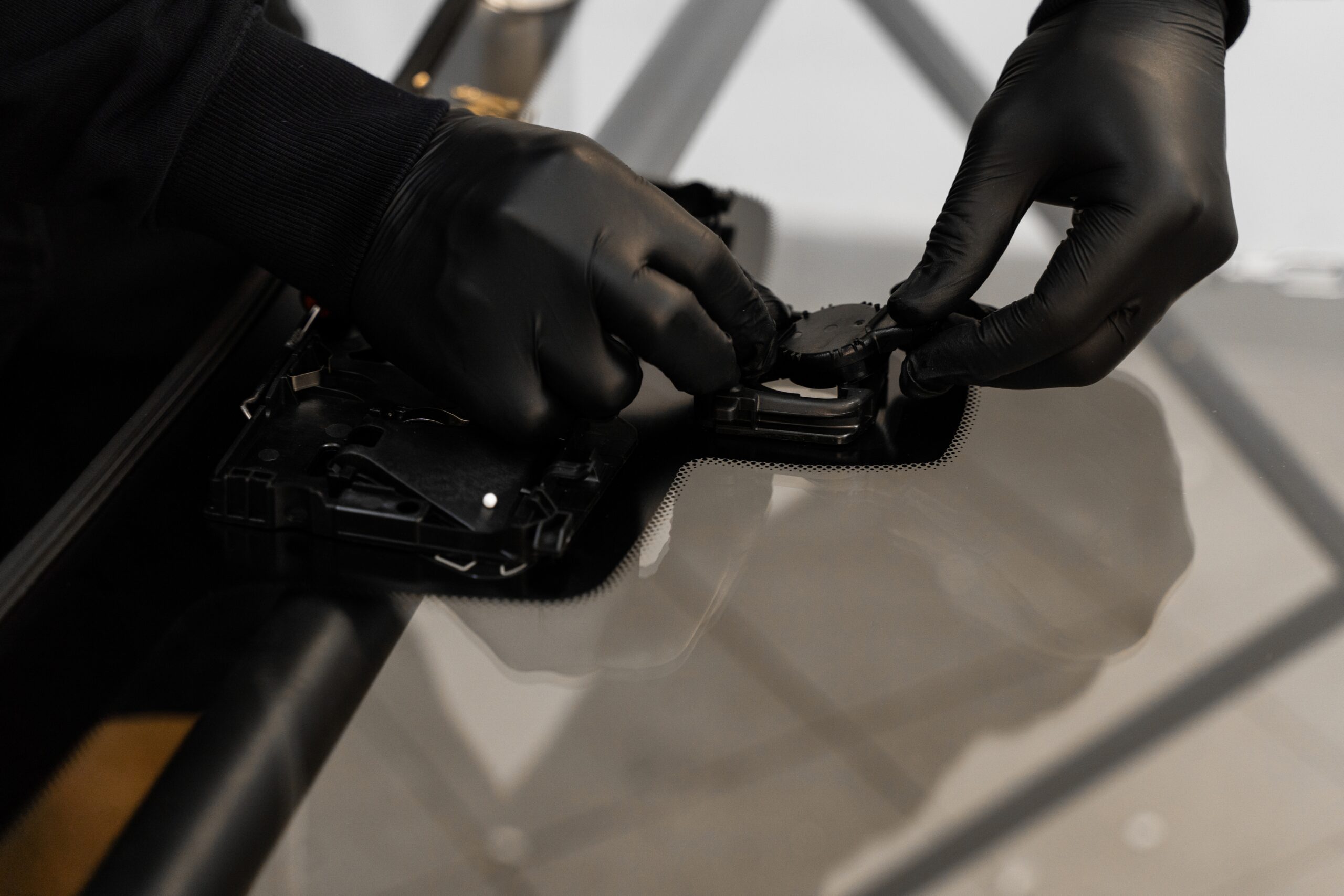
ADAS calibration cost after windshield replacement depends on the vehicle, the type of calibration required, the ADAS equipment involved, and the diagnostic steps specified for that repair. There is no single reliable price that applies to every vehicle.
The main factors that can affect windshield calibration cost include:
• Whether the vehicle requires static calibration, dynamic calibration, or both
• The number and type of cameras or sensors that need attention
• Vehicle-specific setup and calibration procedures
• Required pre-repair or post-repair diagnostic scans
• The windshield and camera mounting configuration
• Insurance coverage, deductibles, and claim terms
On some vehicles, calibration is a relatively straightforward part of the windshield replacement process. Others require more equipment, preparation, diagnostic work, or road-driving procedures.
The best way to determine your actual ADAS calibration cost is to identify the exact year, make, model, windshield configuration, and manufacturer-required procedure before the work begins.
Why Windshield Calibration Prices Can Vary So Much
Modern windshields can do more than keep wind, rain, and debris out of the cabin. On many vehicles, the glass also provides the mounting location and viewing path for forward-facing cameras used by advanced driver assistance systems.
That connection is why replacing the windshield can turn into a more technical job than many drivers expect. The glass replacement itself is only one part of the process. When the vehicle’s ADAS equipment is affected, re-calibration may also be necessary so the system is set up according to the appropriate procedure.
For drivers comparing estimates, understanding what goes into the calibration is more useful than looking for one universal price.
Static vs. Dynamic Calibration Can Change the Scope of the Job
One of the biggest variables in ADAS calibration cost is the procedure the vehicle requires. Calibration generally falls into two categories: static and dynamic. Some vehicles require one method, while others may require a combination.
Static calibration is performed while the vehicle remains stationary. Depending on the system, technicians may need to position specialized targets or equipment at precise distances and locations in relation to the vehicle. Floor level, vehicle positioning, tire condition, lighting, and other setup details may matter depending on the specified procedure.
Dynamic calibration involves driving the vehicle while calibration software or equipment communicates with the ADAS system. The vehicle may need particular road, speed, traffic, visibility, or lane-marking conditions before the procedure can be completed successfully.
Some systems require both methods. I-CAR’s current repair guidance notes that OEM procedures can call for driving, specialized aiming equipment, or a combination of calibration steps, which is why the exact process should be determined from vehicle-specific information rather than assumed in advance.
For drivers considering where the work will be completed, it is also worth understanding why controlled calibration conditions can matter, especially for procedures that depend on precise vehicle and target positioning.
Vehicle Features and Sensor Configuration Affect Calibration Cost
Two vehicles that appear similar from the outside can have very different technology behind the windshield.
Depending on the trim level and equipment package, a vehicle may use a forward-facing camera to support features such as:
- Lane-departure warning
- Lane-keeping assistance
- Forward-collision warning
- Automatic emergency braking
- Traffic-sign recognition
- Adaptive driving functions that use information from multiple sensors
The number of ADAS features does not automatically tell you what calibration will cost. What matters is which components are affected by the windshield replacement and what procedures are specified for that particular vehicle.
A forward-facing camera may work alongside radar, steering-angle sensors, wheel-speed information, or other vehicle systems. That means a calibration estimate needs to account for the actual configuration rather than simply labeling the vehicle as “ADAS equipped.”
Drivers who are not familiar with this technology can review how ADAS-equipped windshields interact with vehicle safety systems. Understanding the role these driver-assistance systems play can also help explain why precise camera positioning matters after glass work.
Pre- and Post-Repair Scans May Be Part of the Process
Calibration itself is not always the only electronic step involved. Depending on the vehicle and repair procedure, diagnostic scanning may also be required.
A pre-repair scan can identify diagnostic trouble codes and help document the condition of electronic systems before work begins. A post-repair scan can help verify whether faults remain after repairs and required calibrations have been completed.
I-CAR notes that some vehicle faults do not illuminate a dashboard warning light, which is one reason diagnostic scanning can be an important part of the repair process. Its guidance also points technicians back to manufacturer information for specific scanning and calibration requirements.
When these steps are required, they add diagnostic work to the overall windshield replacement and calibration process. That does not mean every vehicle receives the same scans or that scanning carries the same charge in every situation. It is another reason an accurate windshield replacement calibration cost should be based on the specific vehicle and procedure.
Windshield Replacement and Calibration Costs Are Closely Connected
When a camera looks through the windshield, replacing that glass can change the conditions under which the camera operates. The camera may be removed and reinstalled, its mounting relationship may change, or the manufacturer may specify calibration following replacement.
That is why an estimate for a modern windshield often needs to consider more than the price of the glass.
Several factors can influence the overall job:
- The correct replacement windshield and its ADAS-related features
- Camera brackets, mounting locations, and related equipment
- Required camera initialization or calibration
- Static or dynamic procedure requirements
- Diagnostic scanning when specified
- Additional vehicle preparation required by the procedure
The important point is that calibration should not be treated as an arbitrary add-on. When the vehicle manufacturer calls for it, it is part of returning affected driver-assistance equipment to the required operating setup.
Skipping that step solely to reduce the windshield replacement bill can create a separate problem. Drivers who want more detail can read about what may happen when required ADAS calibration is not completed.
Does Insurance Cover ADAS Calibration After Windshield Replacement?
Insurance may help pay for windshield replacement and related calibration, but coverage depends on the policy, type of claim, deductible, insurer requirements, and circumstances that caused the damage.
For that reason, it is better to verify coverage than assume calibration will either be fully covered or entirely out of pocket.
When discussing the claim, useful questions include whether the policy covers the windshield damage, whether required ADAS calibration is included as part of the repair, how the deductible applies, and whether documentation is needed for the calibration procedure.
A glass shop may be able to help provide the vehicle and repair information needed for the claim, but the insurance company ultimately determines benefits under the policy.
No. ADAS calibration is not automatically required on every vehicle simply because the windshield was replaced.
The requirement depends on the vehicle’s equipment and the applicable manufacturer repair procedure. A vehicle without a windshield-mounted ADAS camera may not require this type of calibration. On another vehicle, replacing the windshield may trigger a specific re-calibration procedure.
That is why the correct approach is to identify the vehicle and its equipment first, then determine what procedure applies. Assuming that every windshield needs calibration can add unnecessary work, while assuming that none do can overlook an important manufacturer-specified step.
Get the Full Cost Before the Windshield Work Begins
The most useful ADAS estimate is one that accounts for the complete job rather than quoting a generic calibration number. Your vehicle’s technology, required calibration method, diagnostic procedures, windshield configuration, and insurance coverage can all affect the final amount.
For drivers in Kent and South King County, in-shop calibration also makes it possible to perform applicable procedures in a setting designed for the equipment and setup involved.
If your windshield needs replacement and you are unsure whether calibration applies to your vehicle, Lucky Dog Auto Glass can review the vehicle information and provide an estimate based on the work it actually requires.