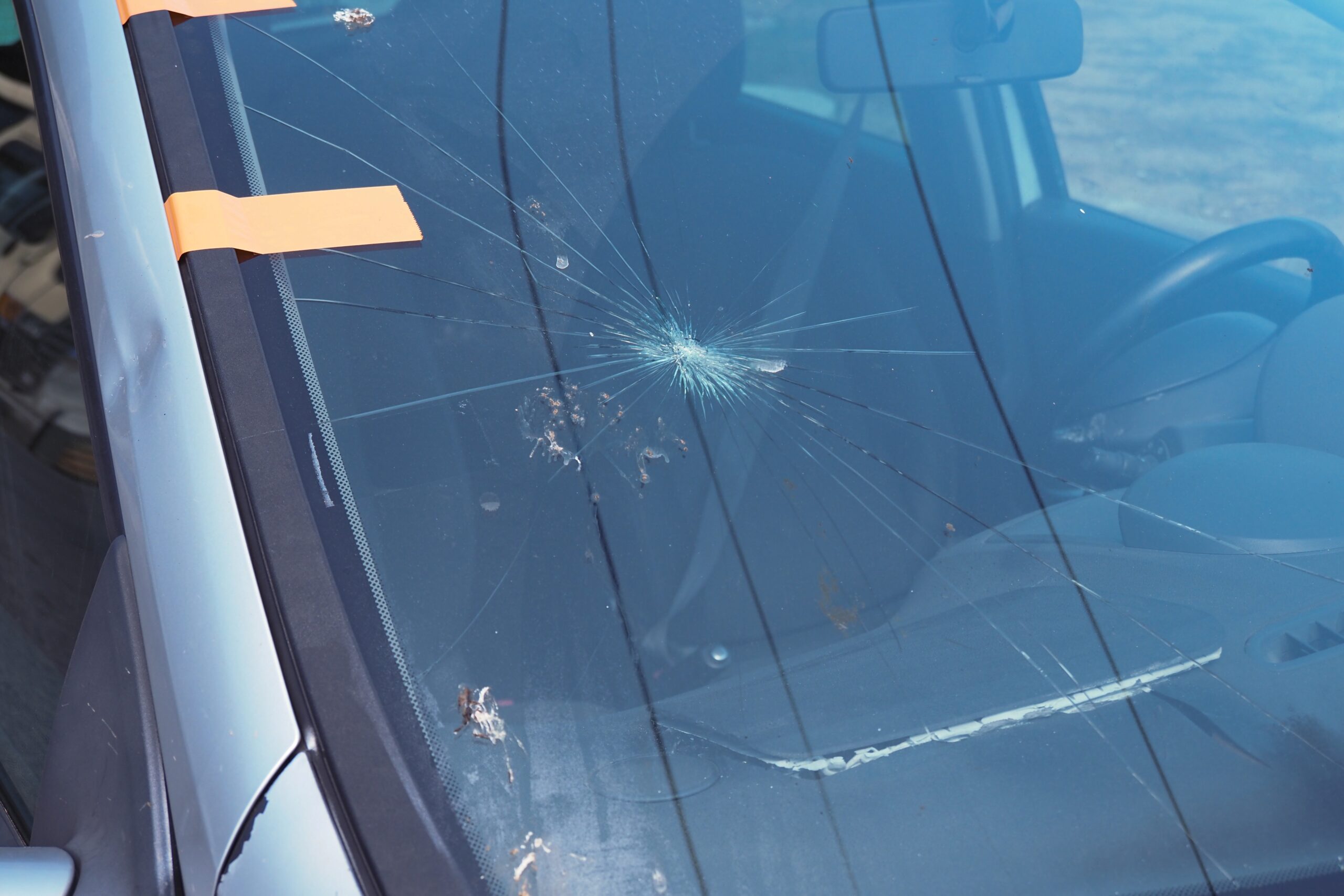
Using windshield replacement insurance can make sense when you have comprehensive coverage and the total covered replacement cost is meaningfully higher than your deductible. If your deductible is close to or higher than the cash price, paying out of pocket may be simpler.
Before deciding, check four things:
• Your coverage: Windshield damage is commonly handled through comprehensive coverage, depending on how the damage occurred and your policy.
• Your deductible: Compare what you would owe through insurance with the shop’s self-pay price.
• Calibration needs: If your vehicle requires camera or driver-assistance system calibration after replacement, confirm whether that work is included in the estimate and covered by your policy.
• Your shop choice: Washington’s Office of the Insurance Commissioner says the choice of auto repair shop is typically up to you.
The right answer depends on your policy and vehicle. A quick coverage check and a complete replacement estimate usually make the choice much clearer.
A Windshield Claim Is Really a Cost Comparison
A cracked windshield does not automatically mean you should file an insurance claim. The better question is how much your policy would actually contribute after your deductible and whether the replacement involves additional work, such as calibration.
For drivers around Kent, WA, that means getting the important numbers before opening a claim. You want to know the complete replacement cost, your applicable deductible, and what your policy covers.
Start With Your Comprehensive Coverage and Deductible
Windshield damage is often covered under comprehensive auto insurance when it results from a non-collision event. Coverage details still vary by policy, so checking the declarations page or speaking with the insurer is a useful first step.
Your deductible is especially important. If the replacement costs less than your deductible, your insurer generally would not have anything to pay toward that covered loss. If the cost is only slightly above the deductible, the insurance benefit may also be relatively small.
For example, instead of assuming insurance is the better option, compare:
Complete replacement estimate − applicable insurance deductible = potential insurance contribution
That simple comparison gives you a much better starting point than filing a claim first and checking the numbers afterward.
Some policies may also have different provisions for auto glass. The deductible for windshield damage is not necessarily the same in every policy, so verify the coverage that applies specifically to your vehicle and loss.
Does Travelers insurance cover windshield replacement?
Travelers states that glass damage is generally covered through comprehensive coverage, although the deductible and other details depend on the individual policy. Travelers also notes that customers can select the shop they want to perform the glass repair or replacement.
If you have Travelers or another insurer, check your own policy rather than assuming another driver’s coverage works the same way.
Compare the Deductible With the Full Cash Price
One of the easiest ways to decide between insurance and self-pay is to request a complete cash estimate before making the claim.
Do not compare the deductible with the price of the glass alone. The estimate should reflect the work your specific vehicle actually requires.
Depending on the vehicle, that could include:
- Windshield glass and installation
- Moldings or related installation materials
- Rain, light, camera, or other windshield-mounted components
- Calibration when required by the applicable vehicle procedure
Suppose your deductible is close to the complete self-pay price. In that situation, paying directly may deserve consideration because the insurer’s contribution could be limited.
On the other hand, if the replacement and required related work are substantially more than the deductible, windshield replacement insurance may reduce your immediate out-of-pocket expense.
There is no universal dollar amount where one option automatically becomes better. Windshield pricing varies by vehicle, glass configuration, technology, and required procedures.
Check Calibration Before Making the Decision
Modern windshields can be part of a larger driver-assistance system. Cameras used for features such as lane-related assistance or forward-facing safety functions may be mounted near or behind the windshield.
If the manufacturer procedure for your vehicle calls for calibration after windshield replacement, that work should be considered when comparing insurance with self-pay.
Before choosing either option, ask:
- Does this vehicle require calibration after windshield replacement?
- Is calibration included in the complete estimate?
- If I file a claim, does my policy cover the required calibration procedure?
- Are there any glass or parts provisions I should know about?
This can make a meaningful difference in the comparison. Looking only at the windshield price can leave out part of the work necessary for a properly completed replacement.
Coverage decisions ultimately belong to the insurer under the terms of the policy, so it is better to confirm calibration coverage instead of assuming it is automatically included.
When Insurance May Make Sense
Insurance is generally worth considering when you have applicable comprehensive coverage, the total covered replacement expense is clearly above your deductible, and any required calibration or related procedures are included in the approved claim.
Self-pay may be worth comparing when the cash price is near or below your deductible, or when you simply want to understand both options before deciding whether to file a claim.
The process can be straightforward:
- Confirm your comprehensive or glass coverage.
- Find your applicable deductible.
- Get a complete replacement estimate.
- Confirm whether calibration is required and covered.
- Compare your expected insurance cost with the self-pay option.
- Choose the repair facility you want to use.
Washington’s Office of the Insurance Commissioner says the choice of auto repair shop is typically up to the vehicle owner. That means an insurer may recommend a network or preferred facility, but you can still ask about having the work completed at the shop you choose.
A glass shop experienced with insurance claim coordination can also help provide the repair information your insurer may need while you remain responsible for choosing how to proceed.
Make the Insurance Decision With the Full Picture
There is no rule that says every windshield replacement should go through insurance. Start with your deductible, compare it with the complete replacement cost, and make sure any required calibration is part of the conversation.
If you are in Kent, WA or the surrounding area and want help understanding the replacement process before deciding between insurance and self-pay, Lucky Dog Auto Glass can help you review the glass work involved and coordinate with your insurer when appropriate.

